
5 STEPS TO INTEGRATING ECO-CONSCIOUSNESS IN SCHOOLS


TRANSFORM YOUR CLASSROOM WITH ECO-FRIENDLY PRACTICES
Discover the essential steps to make your classroom a model of sustainability. Learn how to inspire students and integrate eco-conscious practices seamlessly into your teaching.
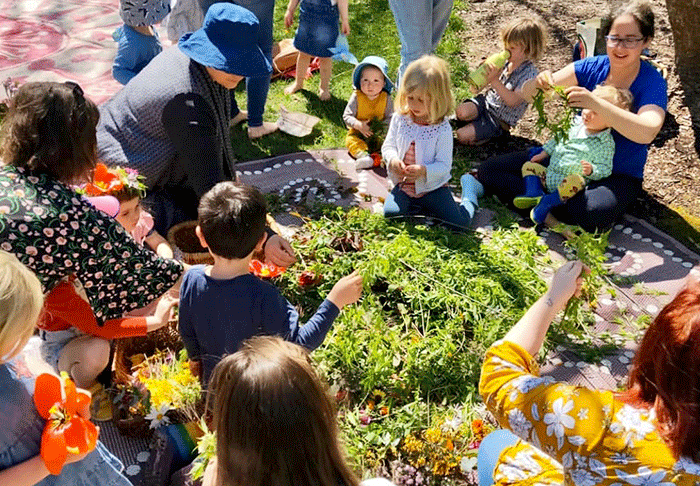
1: Understanding Eco-Consciousness
Explore the concept of eco-consciousness and its significance. Understand the impact of environmental awareness on students and the community. Recycled Mats' products can help make small, meaningful changes.
Define Eco-Consciousness: Use quizzes and discussions to define eco-consciousness. Highlight its importance with fun facts. Showcase Recycled Mats' sustainable materials.
Recognize Environmental Impact: Use real-world examples, visual aids, and hands-on projects to demonstrate environmental impact. Encourage eco-friendly habits with challenges and competitions.
Promote Eco-Friendly Mindsets: Integrate eco-friendly principles into daily activities. Start projects to track progress and celebrate successes. Create an eco-corner with student- made artwork and Recycled Mats products.
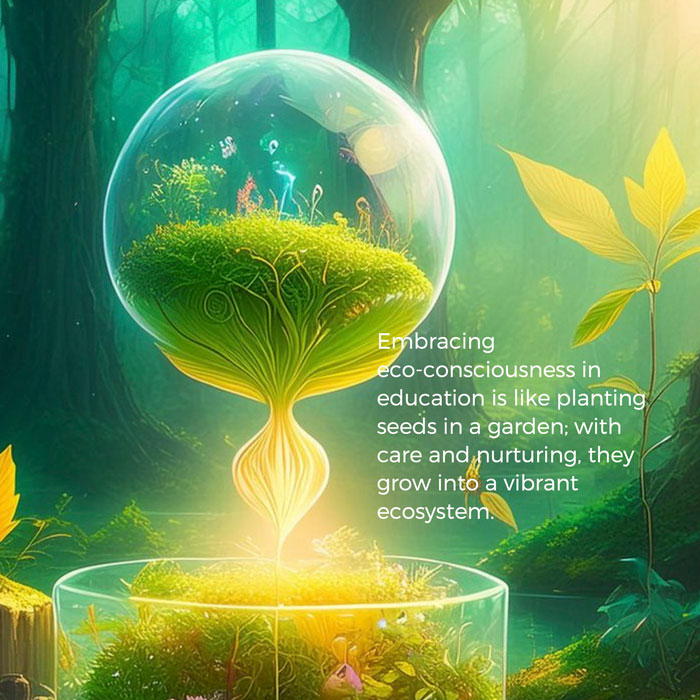
2: Creating a Sustainable Classroom Environment
Make small changes that add up to a big difference. Transform your classroom into a hub of eco-friendly practices with Recycled Mats.
Reduce Waste: Implement waste reduction strategies. Set up a recycling station and use reusable materials. Introduce a "Waste- Free Wednesday" challenge.
Conserve Resources: Teach about conserving energy and water through interactive lessons. Implement policies like turning off lights and using natural light.
Eco-Friendly Classroom Setup: Use plants, eco- friendly supplies, and furniture. Encourage reusable containers and decorate with recycled materials. Feature Recycled Mats prominently.
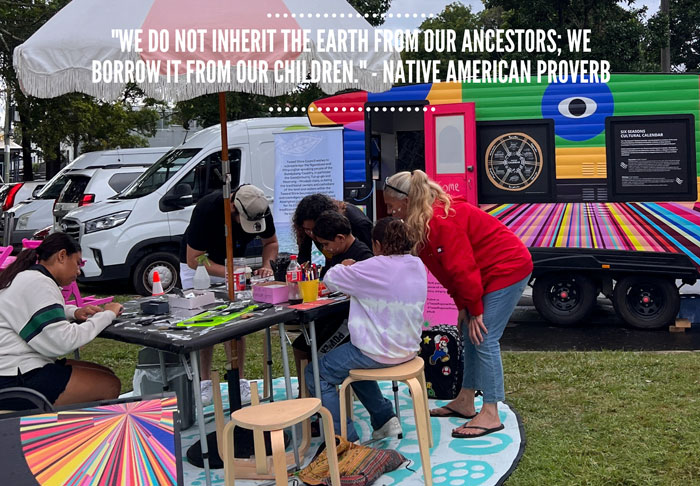
3: Make sustainability fun and relevant. Inspire a lifelong love for the planet through engaging activities.
Interactive Projects: Organize a classroom garden and create art with recycled materials. Host a "Green Science Fair."
Eco-Friendly Challenges: Start a "Plastic-Free Week" and a "Bike to School" challenge. Reward participation with eco-friendly prizes.
Incorporate Sustainability into Daily Routines: Set up a compost bin and integrate lessons on reducing, reusing, and recycling. Celebrate Earth Day with special activities.
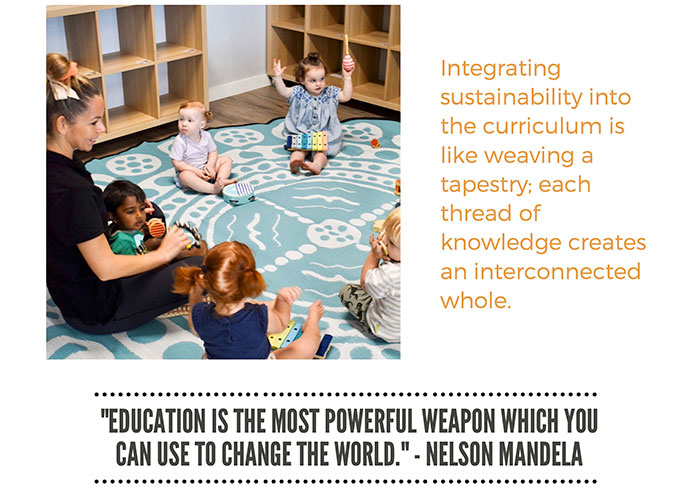
4: Integrating Sustainability into the Curriculum
Embed environmental education across subjects and grade levels. Create lessons that inspire critical thinking about environmental impact.
Cross-Disciplinary Lessons: Incorporate environmental themes into various subjects. Use Recycled Mats as teaching aids.
Project-Based Learning: Focus on real-world issues like designing a sustainable city or reducing plastic waste. Feature Recycled Mats in projects.
Utilise Local Resources: Plan field trips to recycling centres and nature reserves. Invite guest speakers and use outdoor lessons.
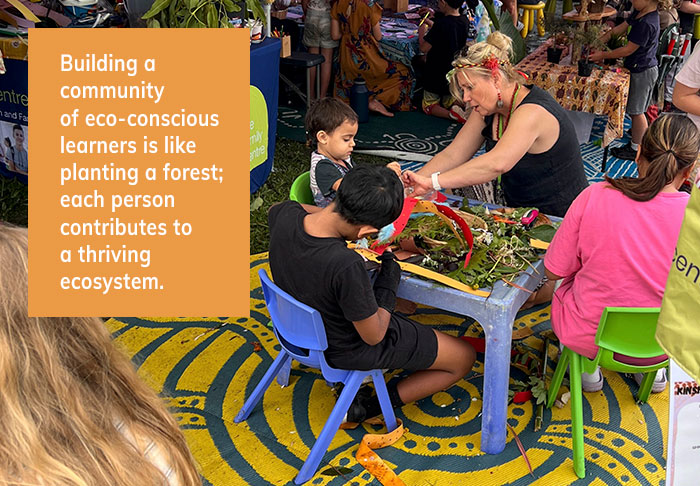
5: Building a Community of Eco-Conscious Learners
Engage the entire school community in sustainability initiatives. Foster collaboration among students, teachers, and parents.
School-Wide Initiatives: Launch initiatives like "Green Week" and create a school garden. Promote competitions to reduce waste and conserve energy.
Collaborative Projects: Host community clean-up events and tree-planting days. Create mentorship programs for eco- friendly practices.
Eco-Friendly Communication: Use newsletters and social media to share tips and updates. Hold meetings to discuss progress and plan initiatives.
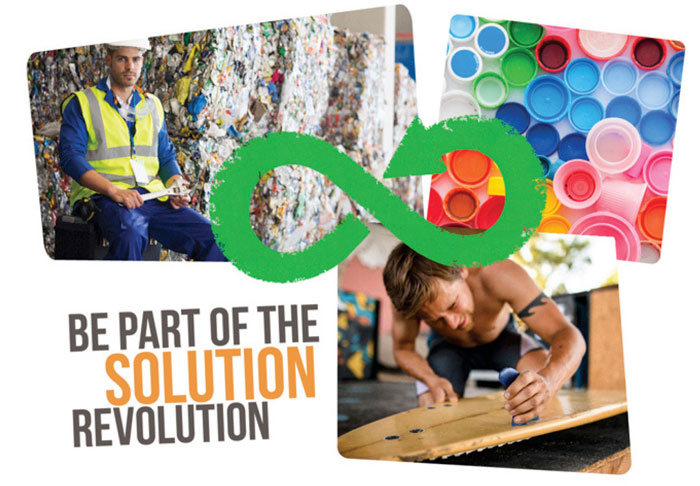
Our Blog is full of great information, inspiration & ideas, such as these.
• INTEGRATING 'DREAMTIME' INDIGENOUS SEATING MATS INTO THE EDUCATIONAL CURRICULUM
• TEACHING ABORIGINAL CULTURE IN PRIMARY SCHOOL – THE MIRACLE OF DARETON PUBLIC SCHOOL
• HAVE FUN TEACHING THE CIRCULAR ECONOMY! EDUCATIONAL IDEAS FOR PRE-PRIMARY SCHOOL-AGED CHILDREN
• WEAVING CULTURE AND SUSTAINABILITY INTO EDUCATION

About the Author